Federal taxpayer dollars coming to Ohio rural healthcare
Regional News

Audio By Carbonatix
1:07 PM on Friday, September 4
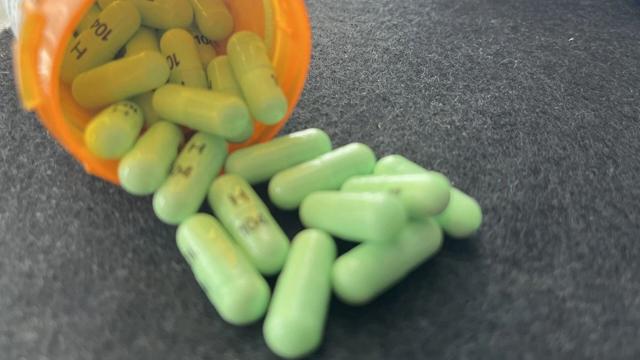
(The Center Square) – Ohio has been awarded $3.15 million federal taxpayer dollars in part to help prevent patients from “fraudulently obtaining controlled substances from multiple healthcare providers,” according to a news release.
The federal funds are designed to connect rural healthcare providers with independent and retail pharmacies, federally qualified health centers, and outpatient hospital pharmacies in the state's 73 rural counties, according to the federal Centers for Medicare & Medicaid Services.
“This program will help Ohio prescribers and pharmacists avoid potentially life-threatening drug interactions and combat the occurrence of individuals fraudulently obtaining controlled substances from multiple healthcare providers,” a CMS news release said.
“This is what rural health transformation should look like: federal investment that is putting patients first, driving lasting improvements and expanding healthcare for the hardworking Americans who call these communities home,” Medicare & Medicaid Services Administrator Dr. Mehmet Oz said in a statement.
This program is designed to help avoid from getting controlled substances from multiple healthcare providers.
Ohio Gov. Mike DeWine praised the grant.
“We are very appreciative that the Trump Administration has prioritized the great need to improve healthcare in rural Ohio,” DeWine said in a statement. “This award will further that goal and make a real difference in the lives of many Ohioans.”
The federal grant will give pharmacists and healthcare providers tools coordinate care, prevent dangerous drug interactions and fight prescription drug abuse,” said U.S. Rep. Mike Rulli, R-OH.
“When a pharmacist is helping manage a patient’s medications, they should have the information they need to see the full picture of that patient’s health,” U.S. Rep. Michael Turner, R-Ohio, said in a statement. “This investment will connect pharmacies across rural Ohio with that critical information, leading to better coordination and better care. Rural Ohio should never be an afterthought, and I’m proud to see us investing in smarter, stronger health care for these communities."